 admin
admin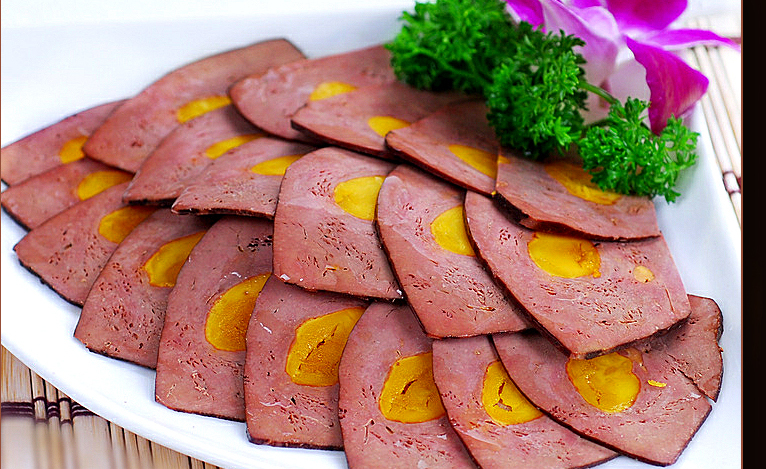
The name alone is enough to stop you. Fengyan zhugan (凤眼猪肝) — Phoenix Eye Pork Liver. There is something immediately arresting about it: the collision of the mythological and the mundane, a bird of legend pressed into conversation with one of the most workaday ingredients in the Chinese kitchen. Why would a phoenix have anything to do with pork liver? The answer, when you see the dish for the first time, is obvious and quietly brilliant.
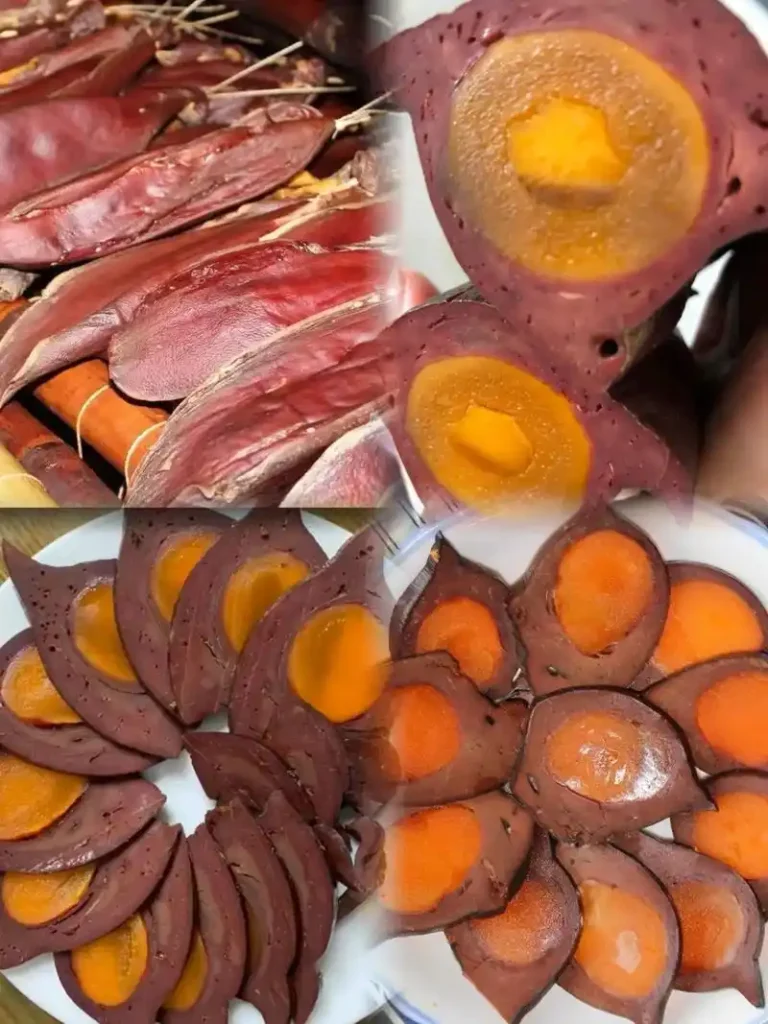
Cut through a piece of properly made fengyan zhugan and the cross-section reveals it: a disc of deep mahogany-brown liver, and nestled at its center, a perfectly round orb of brilliant gold — the salted egg yolk that was tucked inside the liver before cooking, that has spent the duration of the braise absorbing spice and rendering itself rich and sandy and fragrant. It sits there in the middle of every slice, repeated across the plate with the regularity of a pattern: the dark iris, the paler ring. An eye. A phoenix eye.
This is a dish where the visual conceit and the culinary logic are perfectly aligned. The salted egg yolk is not decoration. It is not a trick for the camera, of the kind that social media food culture produces in such quantity and that disappear on the palate without a trace. The yolk changes the dish in every meaningful way — in flavor, in texture, in nutrition, in the experience of eating it. That it also produces something beautiful when sliced is the kind of bonus that the best food always delivers: beauty as a natural consequence of things being done correctly, rather than beauty imposed on top of a mediocre reality.
Zigong and the Yanbang Tradition
To understand fengyan zhugan properly, you need to know something about Zigong — a city in southern Sichuan that most people outside China have never heard of, and that most people inside China associate with two things: dinosaur fossils (Zigong has one of the world’s most important Jurassic fossil sites) and food.
Zigong’s food culture is anchored in what is known as yanbang cai (盐帮菜) — salt-guild cuisine, the cooking tradition that developed around the city’s historic salt industry. Zigong was, for centuries, one of the most important salt-producing cities in China, extracting brine from deep wells drilled into the earth by methods that anticipated modern oil drilling by a thousand years. The salt industry generated extraordinary wealth, and that wealth supported a dining culture of considerable sophistication: the salt merchants of Zigong, flush with money and eager to display it, developed a cuisine that combined the bold flavors of traditional Sichuan cooking with a certain refinement and creative ambition.
The yanbang tradition is one of three recognized sub-schools of Sichuan cuisine, alongside the upper-river style centered in Chengdu and the lower-river style of the Chongqing region. Its distinctive characteristics include a heavy use of fresh chili and young ginger (Zigong’s zijiang young ginger is famous throughout Sichuan), a preference for bold, direct flavors, and a repertoire of dishes that make intelligent use of preserved and cured ingredients. Zigong’s famous “three tenders” — qiaotou san nen — consist of flash-fried pork liver, pork stomach, and pork kidney, cooked so fast that each takes barely ten seconds in the wok. The emphasis on texture and timing is everything.
Fengyan zhugan belongs to this tradition, though it operates at the opposite end of the speed spectrum from the ten-second flash fry. Where the three tenders are about instantaneous heat and the preservation of a particular kind of crispness, fengyan zhugan is about patient, slow cooking and the transformations that only time and gentle heat can produce.
The Star Inside: Salted Duck Egg Yolk
Before the dish can be understood, the key ingredient inside it needs to be understood. Salted egg is a popular Chinese ingredient made by soaking duck eggs in brine, widely used in desserts like pastry, zongzi, and mooncakes, and also cooked with many other ingredients to bring a rich, oily, salty flavor.
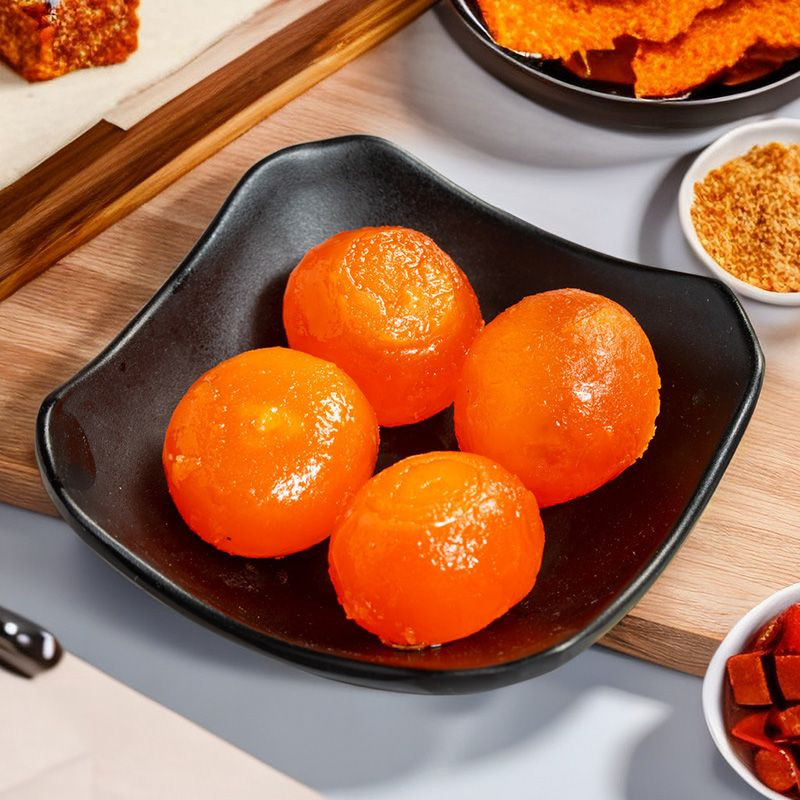
Duck eggs are oilier than chicken eggs, which is why salted duck egg yolks are prized for their creamy, oily, fragrant taste and texture — the same yolks used inside Chinese mooncakes. The curing process does something remarkable to the yolk specifically: it draws moisture out through osmosis while the fat and protein structures remain, concentrating the richness and developing a sandy, granular texture that is quite unlike anything a fresh egg yolk can produce. A properly cured salted duck egg yolk, when cooked, releases visible oil — beads of golden fat that pool on the surface — and has a flavor that is simultaneously salty, eggy, savory, and deeply rich, with an umami depth that plain egg yolk simply doesn’t have.
The best salted eggs should have a briny aroma, translucent egg white, with the yolk bright orange-red in color — and a yolk that releases oil after being cooked is considered a high-quality product. This oil-releasing quality is precisely what makes the salted yolk such a powerful partner for pork liver inside fengyan zhugan: as the dish cooks, the yolk’s fat disperses slowly into the surrounding liver, basting it from the inside and carrying the salty, savory yolk flavor through the meat in a way that no external marinade can replicate.
The combination of pork liver and salted egg yolk is, from a nutritional standpoint, genuinely impressive. Pork liver is rich in vitamins, protein, calcium, phosphorus, iron, and zinc — essential minerals for the human body — and eating it regularly benefits the liver and eyesight. Salted duck egg yolk is rich in lecithin, unsaturated fatty acids, and amino acids. Together, they increase the nutritional value of the dish while making it more visually appealing.
The Technique: Hiding the Eye
The method of making fengyan zhugan is ingenious in its simplicity. The entire visual effect — the eye revealed on every slice — depends on a single preparatory step that takes less than a minute but requires precision: hollowing a pocket into the liver and inserting the yolk without breaking either the liver or the yolk.
Fresh pork liver is selected whole, choosing a lobe that is smooth-surfaced and unblemished. It is soaked first — cold water for at least two hours, changed several times as the water discolors with blood — to draw out as much of the iron-heavy liquid as possible and reduce the metallic edge that uncleaned liver carries. The liver must be fresh, with a complete and uncut surface, and should not be cooked for too long or the texture becomes unpleasantly tough.
Once soaked and cleaned, the liver is prepared for stuffing. A hole is made in the center of the liver — large enough for the salted egg yolk to enter — and the raw salted duck egg yolk is separated from the white, then pushed inside. The opening is sealed with toothpicks to prevent the yolk from escaping during cooking. The key is to work with a raw rather than pre-cooked yolk: a raw yolk will meld and integrate with the liver as they cook together, the yolk’s fat slowly migrating outward into the meat. A pre-cooked yolk would sit inert at the center, with none of this exchange.
The liver is then marinated — with salt, scallion juice, rice wine or baijiu, soy sauce, oyster sauce, and a little sugar — kneaded evenly and left for at least an hour. The marinade begins the process of flavoring the liver from the outside while the yolk works from within.
Three Ways to Cook It
What happens next depends on which cooking method the maker chooses, and fengyan zhugan offers at least three distinct paths, each producing a different result in texture and flavor intensity. This variety is part of what makes the dish interesting: the concept is fixed (liver plus hidden yolk), but the execution is flexible.
The Braised Version (luzhi, 卤制) is probably the most common household method and the most forgiving for a less experienced cook. The stuffed, marinated liver goes into a prepared spiced brine — cold water with all the seasonings and rice wine added, brought to a boil, then simmered for fifteen to twenty minutes, after which the liver is removed and cooled before slicing. The brine carries the classic Sichuan spice profile: soy sauce (both light and dark), star anise, cinnamon bark, dried chili, Sichuan peppercorn, ginger, scallion. The liver emerges deeply colored — the dark soy staining it a rich mahogany — and perfumed with the braising spices. Cut into slices, the yolk at the center has set to a sandy, oily firmness that contrasts with the tender liver around it. This version is typically eaten cold or at room temperature, served with a dipping sauce of minced garlic, chili oil, and soy sauce.
The Salt-Baked Version (yanjú, 盐焗) is more dramatic and more labor-intensive, but produces a result of exceptional intensity. The wok is filled with around 1,500 grams of salt mixed with Sichuan peppercorn, star anise, and cinnamon bark, then heated over medium-low heat until the salt is fragrant and slightly yellowed. The marinated liver — its surface dried carefully with kitchen paper — is placed in a channel cleared in the center of the salt, then buried and covered, with the lid sealed, for forty minutes. The salt acts as a heat conductor and a flavoring agent simultaneously, drawing moisture out of the liver surface while the accumulated heat from the surrounding salt cooks it through at a steady, even temperature. The result is a liver with a firm, almost leathery exterior that concentrates the spice flavors, giving way to tender, yolk-infused meat inside. The texture is entirely different from the braised version — drier, more intensely flavored, with more pronounced chew.
The Wind-Dried Version (fenggan, 风干) takes patience that most people, reasonably, don’t have — but produces something approaching a Sichuan delicacy. After stuffing and sealing with toothpicks, the liver is hung by a rope in a cool, well-ventilated place and left to air-dry for about two weeks. In wet or rainy weather, it can be finished in an oven at around 100°C for thirty minutes to drive off the surface moisture, then returned to drying. Once dried, it is cooked before eating. The wind-dried version resembles larou (cured pork) in its texture and intensity — deeply concentrated, with a chew that rewards slow, attentive eating. The yolk at the center of a wind-dried fengyan zhugan has lost most of its moisture and hardened into something almost like a jewel: dense, oily, salty beyond what a fresh yolk could ever achieve.
The Moment of the Slice
All three versions share their most important moment: the slicing. A whole fengyan zhugan, just removed from its cooking and rested until cool, does not announce what it contains. It looks like a piece of cooked liver — dark, compact, smelling of spice and soy. It is only when the knife goes through it that the dish reveals itself.
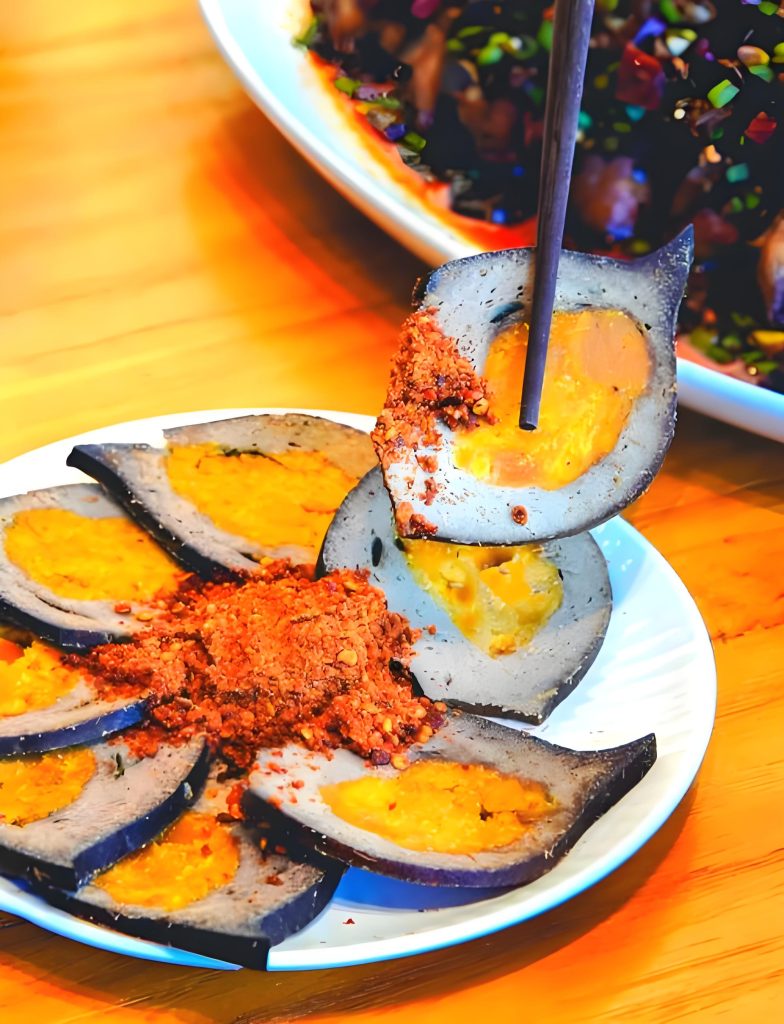
The slice must be clean and even — the kind of cut that a sharp knife makes when the food is properly rested and firm. Too much pressure and the yolk crumbles before it reaches the plate. The correct technique is a single, confident stroke, the blade moving without hesitation. And then, there it is: the golden circle in the center, surrounded by the darker liver, repeated across every slice arranged on the plate. The phoenix eye, multiplied.
The arrangement of the slices on the plate is part of the dish’s presentation logic. Traditionally, the rounds are fanned out in a circular pattern — each phoenix eye visible, the golden centers creating a rhythm across the plate. Some cooks garnish with thin strips of green scallion or a light scattering of toasted sesame. Others serve it plain, letting the slices speak for themselves. Either way, the dish has a visual coherence that feels earned — the pattern is not imposed, it is revealed by the act of cutting, and it is the same whether the cook is a professional chef or a grandmother making it for the new year table.
Eating It: Textures, Flavors, and the Role of the Dip
Fengyan zhugan is a cold dish, served at room temperature or slightly chilled after the cooking is complete. This matters because cold eating changes what the palate registers. Warm food masks certain flavors under the immediate stimulus of heat; cold food presents its flavors more clearly and more sequentially. The minerality of well-cooked liver, which can be overpowering when hot, becomes a background note when cold, with the spice flavors from the brine or the salt-baking moving to the foreground.
The texture is the first thing you notice: the liver itself is tender but with substance, not the chalky dryness of overcooked liver or the spongy uniformity of liver that has been blitzed in a food processor. Then the yolk — the moment when the bite reaches the center and the sandy, oily resistance of the salted egg makes itself known. There is a sensation of richness that arrives a beat after the initial bite, as the yolk’s concentrated fat begins to coat the palate. It is a two-stage experience compressed into a single slice.
The dipping sauce is calibrated to cut through this richness rather than add to it. Minced fresh garlic in soy sauce provides sharpness and salinity. Chili oil brings heat. Black vinegar introduces acidity that cleans the palate between bites. Some households serve a simpler dip — just garlic mashed with a little soy — while others build something more complex with fermented tofu or mustard. The logic is consistent: the sauce should refresh rather than enrich, preparing the palate for the next slice.
Why This Dish Matters
Fengyan zhugan is not a famous dish in the way that mapo tofu or Peking duck are famous. It doesn’t appear on the menus of most restaurants outside Sichuan. It hasn’t traveled the way that the bolder, spicier face of Sichuan cooking has traveled. In food media, it is rarely discussed. But among the Sichuanese people who know it — who grew up eating it at New Year dinners, who watched grandmothers make it in winter kitchens, who have their own strong opinions about whether the braised or salt-baked version is superior — it occupies a place of real affection.
Part of what makes it worth knowing about is precisely what makes it unusual: it is a dish that combines ingenuity with accessibility. The concept is clever — hide the egg inside the liver, let the cooking do the work of integration, reveal the result with a knife — but the execution requires no specialist equipment and no professional training. It is the kind of dish that rewards a cook who pays attention, who understands that the preparation before cooking matters as much as the cooking itself, and who has the patience to let something rest before cutting into it.
It is also a dish that says something honest about how Sichuan cuisine thinks about ingredients. There is nothing wasted here: the liver, an unglamorous organ that many cuisines have abandoned, is treated with genuine respect — cleaned properly, seasoned carefully, cooked with the exact amount of time it needs, no more. The egg yolk, a preserved product with a history in Chinese cooking stretching back fifteen centuries, is deployed not as novelty but as a logical partner for an ingredient that benefits from its fat and salt. The result is greater than the sum of its parts in both flavor and appearance.
That golden eye in every slice isn’t just a visual trick. It’s the dish explaining itself: look closely, it says, and you’ll find something worth finding. That’s as good a philosophy of cooking as any.