Discover the essence of Chinese food culture—its history, regional cuisines, symbolism, and dining etiquette that reveal China’s rich traditions and taste philosophy.
Food in China is far more than daily nourishment—it’s a living expression of culture. Chinese food culture (中国饮食文化, Zhōngguó yǐnshí wénhuà) represents the art of balancing flavor, harmony, and philosophy through every meal. It blends thousands of years of history with social customs, moral values, and aesthetic principles, forming one of the most complex and refined food traditions in the world.
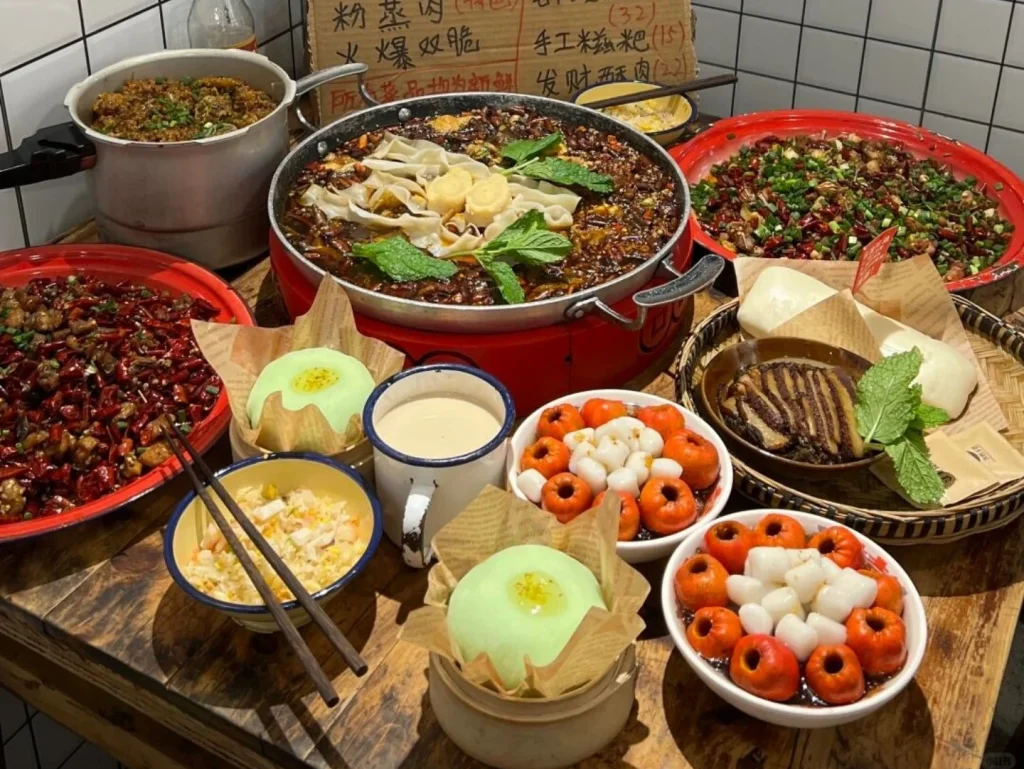
In China, cooking and eating are considered a reflection of life itself. Every aspect—from ingredients and cooking methods to table manners and meal sharing—reveals how Chinese people view nature, family, and community. The ancient saying “People regard food as heaven” (民以食为天, mín yǐ shí wéi tiān) captures this idea perfectly: food is not just about survival but about respect, gratitude, and connection.
For travelers and food lovers, exploring Chinese cuisine offers a direct path to understanding the country’s cultural heart. Whether you’re tasting handmade dumplings in Xi’an, sipping tea in Hangzhou, or sharing a family-style hotpot in Chengdu, each meal tells a story of tradition, creativity, and human connection. Through food, you don’t just taste China—you experience its values, relationships, and way of life.
Historical Evolution of Chinese Food Culture
Chinese food culture is not a static “recipe book,” but a living record that has evolved alongside civilization itself. From ancient farming and grain cultivation to the Silk Road’s global exchanges and the modern age of culinary fusion, every era has left its mark, shaping today’s rich and diverse food system.
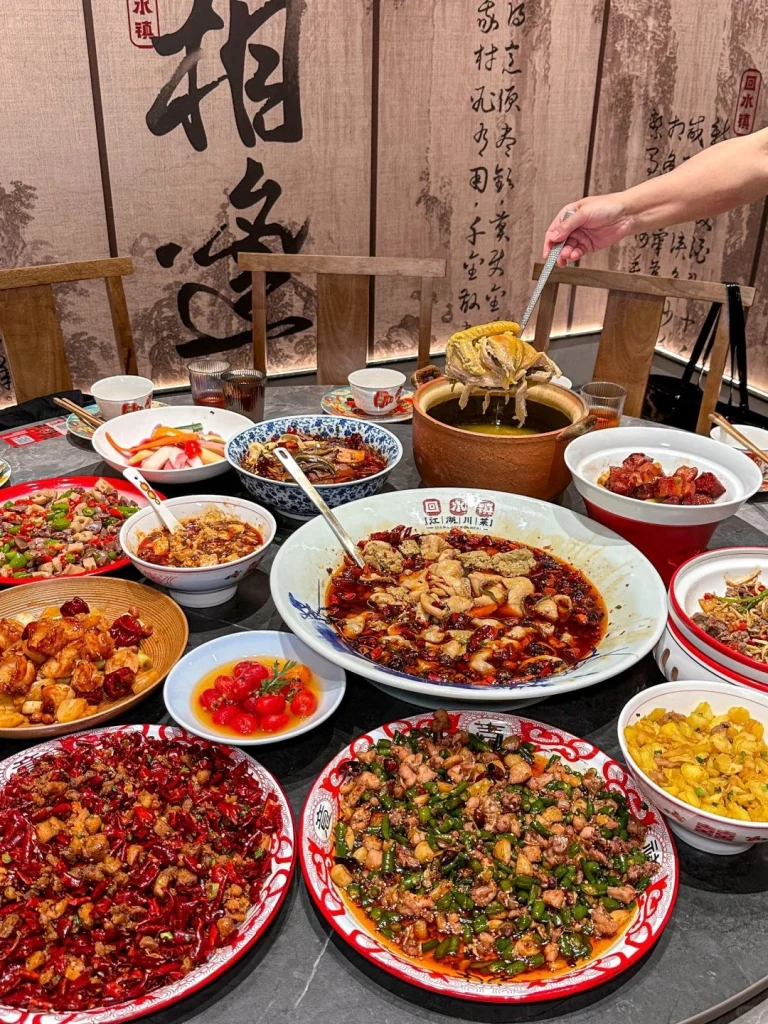
Early Origins: The Foundation of an Agricultural Diet
The rise of agriculture laid the groundwork for China’s food traditions. As people shifted from hunting to farming, diet patterns stabilized around two essentials: grains and livestock. The phrase “Five Grains for sustenance, Five Livestock for benefit” (五谷为养,五畜为益, wǔ gǔ wéi yǎng, wǔ chù wéi yì) summed up the early dietary model — rice, millet, wheat, and beans formed the base, complemented by meat from cattle, pigs, chickens, sheep, and dogs. This balance of grains and proteins became the nutritional and cultural backbone of Chinese eating habits.
As agriculture strengthened social order, food also gained ceremonial meaning. Offerings of fine grains and meats were made during rituals to honor ancestors and deities. Banquets and feasts were arranged according to hierarchy — elders and nobles seated at the head, commoners further down. Eating became a reflection of respect, harmony, and social structure.
Dynastic Development: Refinement Through the Ages
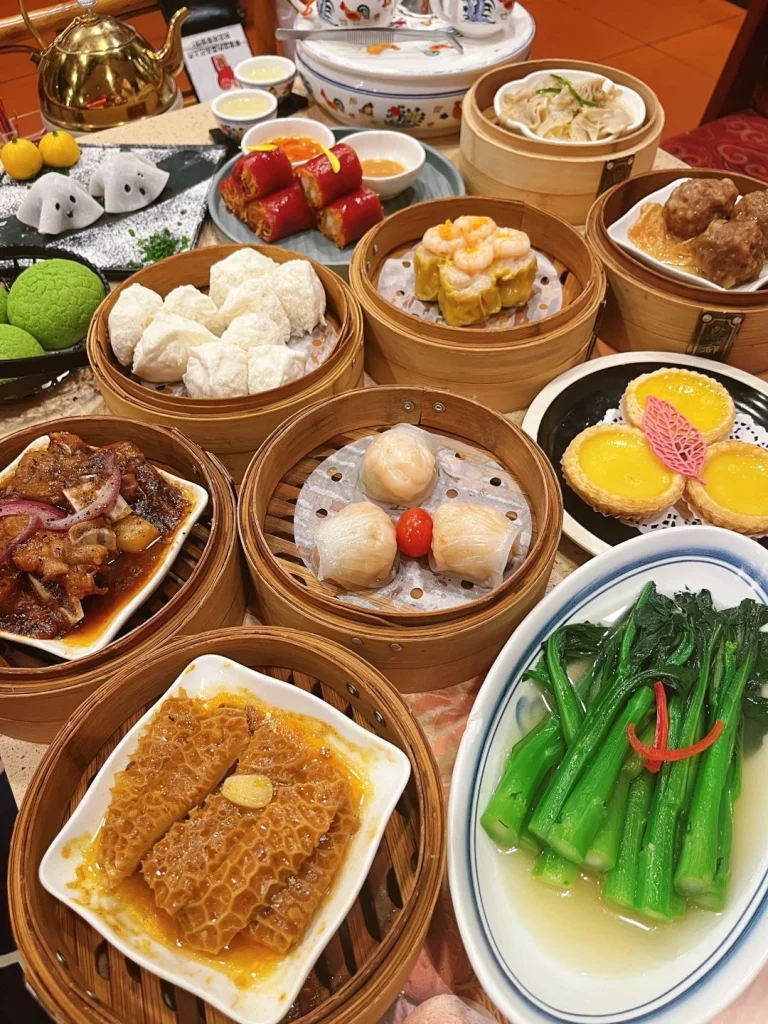
Han–Wei Dynasties:
During this period, Chinese cuisine began its transformation from coarse to refined. The use of pottery and bronze cookware enabled more advanced methods such as steaming, roasting, and boiling. Congee and soups became staples, while Confucian ideals introduced formal “food etiquette.” Principles like “elders first” in dining were established and remain respected today.
Tang and Song Dynasties:
Economic prosperity and open trade turned dining into an art form. The Silk Road brought new spices like pepper and cumin, and ingredients such as grapes and carrots expanded China’s flavor palette. Stir-frying emerged thanks to iron woks and plant oils — a fast, flavorful technique that revolutionized cooking. Meanwhile, urban food culture thrived with the rise of taverns and bustling night markets, making eating a social experience beyond nourishment.
Ming and Qing Dynasties:
This era marked the full formation of China’s culinary map. The “Eight Great Cuisines” (八大菜系, bā dà cài xì) — including Sichuan, Cantonese, Shandong, and Jiangsu — each developed distinct flavors and cooking philosophies. Global trade introduced New World crops like corn, potatoes, and chili peppers, forever changing regional diets. Especially chili, which took root in Sichuan and Hunan, became central to their fiery cuisines.
Modern Transformation: Tradition Meets Innovation
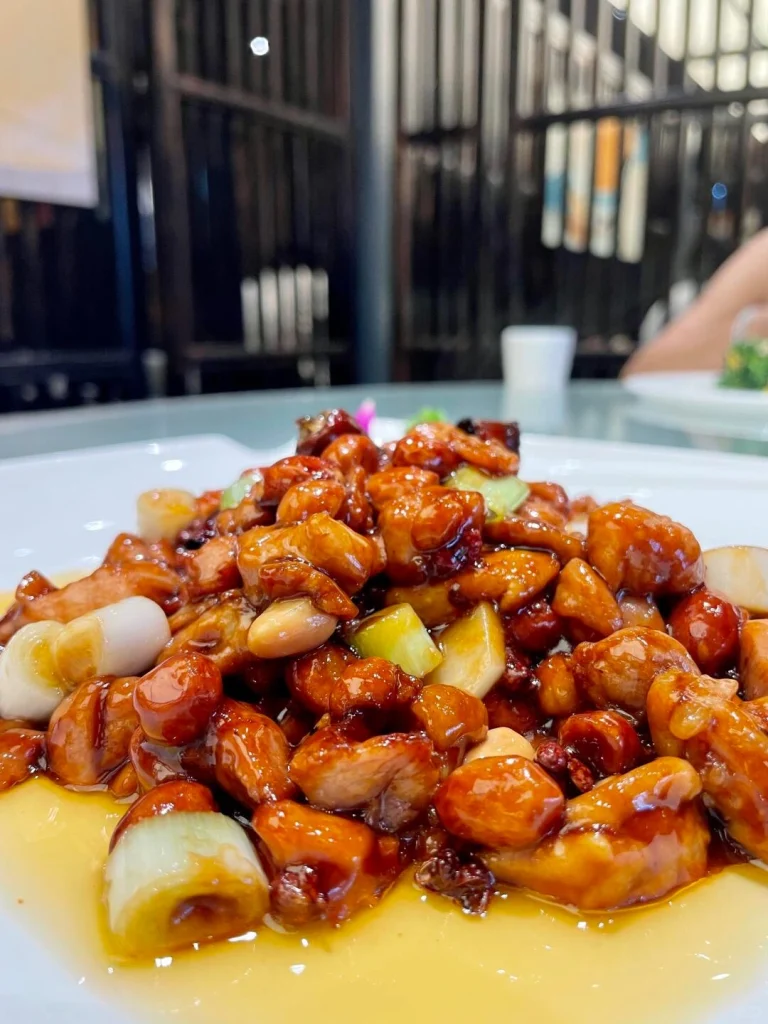
In modern times, China’s rapid urbanization and globalization continue to reshape its food landscape.
Convenience & Speed
Fast-paced urban life has led to widespread use of quick meals, takeout, and ready-made foods, yet traditional flavors like braised pork (红烧肉, hóng shāo ròu) and kung pao chicken (宫保鸡丁, gōng bǎo jī dīng) remain staples.
Global Fusion
East meets West through both overseas Chinese restaurants and creative hybrids like Sichuan-style pizza and milk tea with traditional tea leaves. Chinese cuisine has become a global ambassador of cultural exchange.
Health & Wellness
Modern diners focus more on nutrition and balance. Concepts like “food as medicine” (药食同源, yào shí tóng yuán) have returned, inspiring healthy dishes using ingredients such as red dates, goji berries, and yam.
Today, Chinese food culture continues to evolve — blending ancient wisdom with modern creativity, preserving its timeless flavors while embracing a global future.
Core Characteristics of Chinese Food Culture
Chinese dining is never just about filling the stomach—it’s a complete cultural system combining sensory pleasure, natural philosophy, and refined craftsmanship. Every dish reflects balance, symbolism, and artistry, turning eating into an experience of both taste and meaning.
Sensory and Aesthetic Harmony: A Feast for All the Senses
Chinese people judge a dish not only by taste but through the harmony of “color, aroma, taste, shape, and meaning” (色香味形意, sè xiāng wèi xíng yì).
Balanced Flavors
The essence of Chinese cuisine lies in harmony among five tastes—sweet, sour, bitter, spicy, and salty. Classic dishes like fish-flavored shredded pork (鱼香肉丝, yú xiāng ròu sī) blend multiple flavors that complement rather than overpower one another. Sweet and sour ribs (糖醋排骨, táng cù pái gǔ) achieve the perfect balance between tang and sweetness.
Multisensory Presentation
Great dishes engage sight, smell, and texture. Bright color contrasts like red peppers and green vegetables, layered aromas from ingredients and spices, and diverse textures—crisp, tender, soft, or sticky—all create a satisfying experience even before the first bite.
Meaningful Design
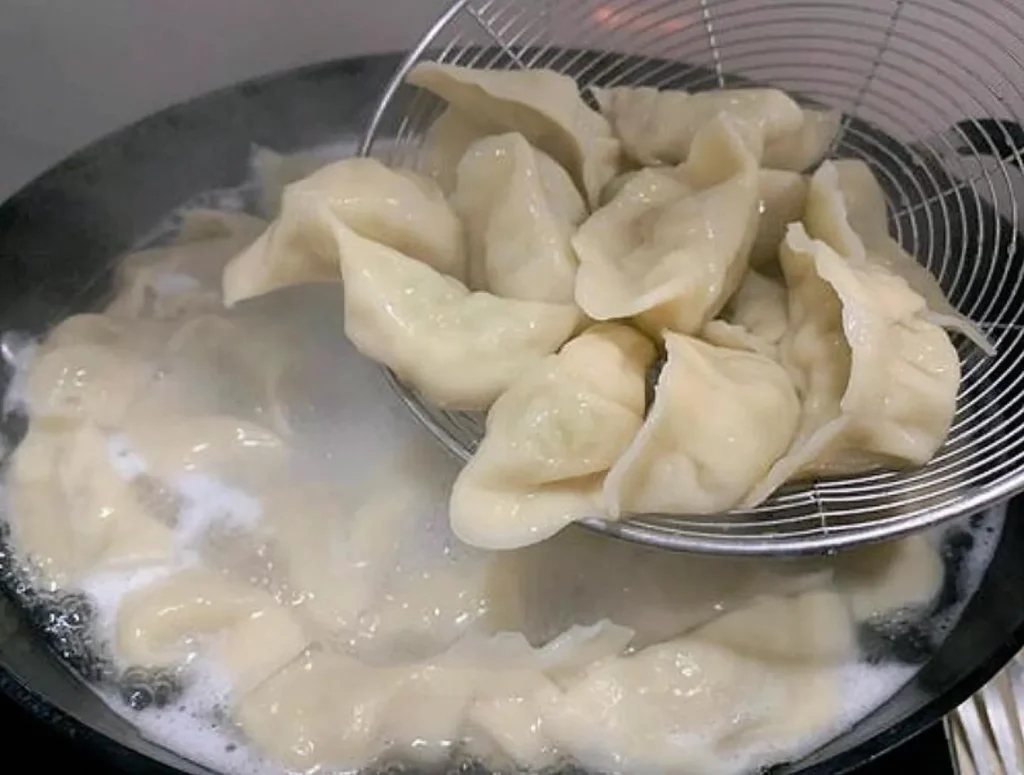
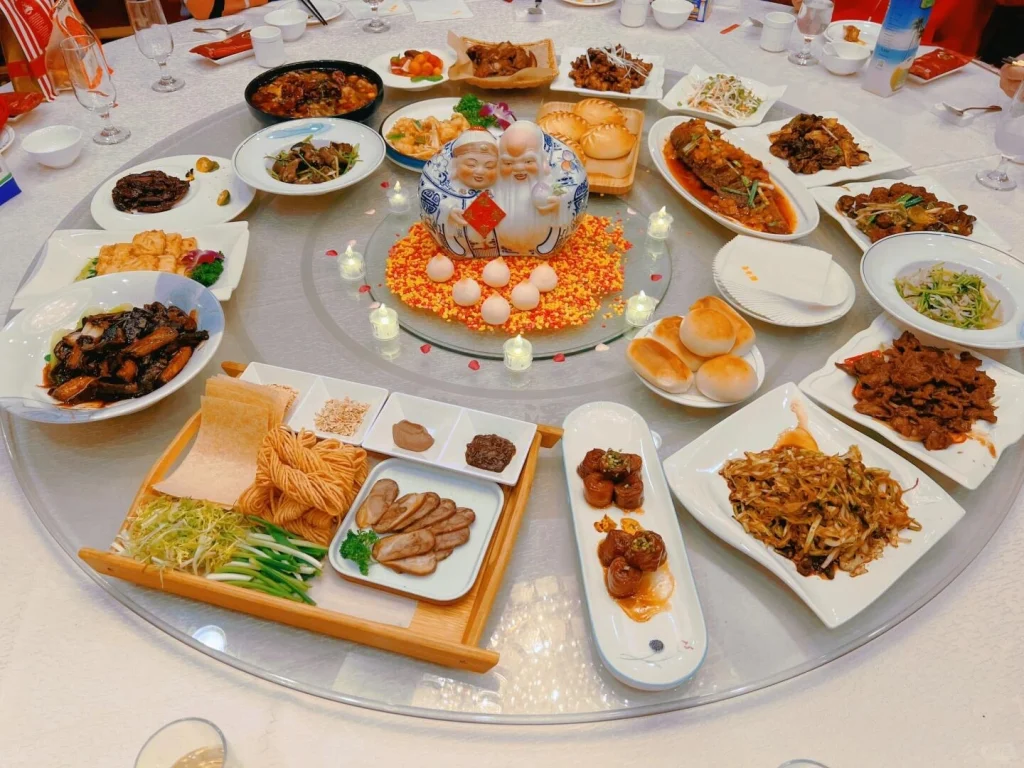
Every dish carries symbolism. Dumplings (饺子, jiǎozi) shaped like crescents represent reunion; longevity peaches (寿桃, shòu táo) symbolize long life; and serving fish (鱼, yú) at New Year signifies abundance. Food presentation thus combines beauty with cultural depth.
Natural Balance and Health Wisdom
Rooted in the Chinese philosophy of harmony between humans and nature, traditional food culture emphasizes eating in tune with the seasons and balancing the body’s energies.
Seasonal Eating
The principle of “eating what is in season” guides ingredient choice. Spring favors fresh bamboo shoots; summer calls for cooling foods like watermelon and loofah; autumn brings nourishing crab and pears; and winter highlights warming lamb and radish stews. This rhythm helps the body align with natural cycles.
Food as Medicine
Influenced by traditional Chinese medicine, ingredients are classified by “four natures”—cold, cool, warm, and hot. A person prone to cold might eat ginger or red dates, while someone with excess heat might choose cooling foods like bitter melon or mung beans. The concept of food and medicine from the same source (药食同源, yào shí tóng yuán) means that everyday meals can nourish and heal at once.
Culinary Techniques: The Art of Knife and Fire
The mastery of Chinese cooking lies in precision — selecting the right method for each ingredient, balancing knife work, and controlling heat.
Key Techniques
Stir-frying (炒, chǎo) locks in freshness with high heat and speed; steaming (蒸, zhēng) preserves delicate flavors; braising (焖, mèn) enriches texture; slow stewing (炖, dùn) draws out depth; and fermenting (发酵, fāxiào) transforms taste through natural aging.
Knife Skill and Heat Control
Knife work is not just about cutting—it shapes texture and flavor absorption. Wensi tofu (文思豆腐, wén sī dòufu), sliced into hair-thin threads, showcases exceptional skill. Fire control is equally critical: a stir-fry may need just seconds at 180°C, while stews simmer for hours. This precise timing defines the artistry behind authentic Chinese cooking.
Together, these elements—balance, respect for nature, and craftsmanship—make Chinese food culture a living philosophy of harmony, beauty, and care, where every meal celebrates both flavor and meaning.
Regional Diversity and Representative Cuisines of China
China’s vast land and varied climates have created a dazzling culinary map — “different tastes every ten miles.” Each region’s cuisine reflects its geography, ingredients, and traditions, forming a colorful mosaic of Chinese food culture.
| Region | Representative Cuisine / Style | Signature Dishes | Core Features |
|---|---|---|---|
| Sichuan | Sichuan Cuisine (川菜, Chuāncài) | Mapo Tofu (麻婆豆腐), Boiled Fish (水煮鱼) | Fiery, numbing, aromatic; famous for chili and Sichuan peppercorns |
| Guangdong | Cantonese Cuisine (粤菜, Yuècài) | White Cut Chicken (白切鸡), Steamed Grouper (清蒸石斑鱼) | Light, fresh, and delicate flavors; highlights natural taste of ingredients |
| Shandong | Shandong Cuisine (鲁菜, Lǔcài) | Sweet and Sour Carp (糖醋鲤鱼), Braised Sea Cucumber (葱烧海参) | Savory and rich; precise knife skills and mastery of soups |
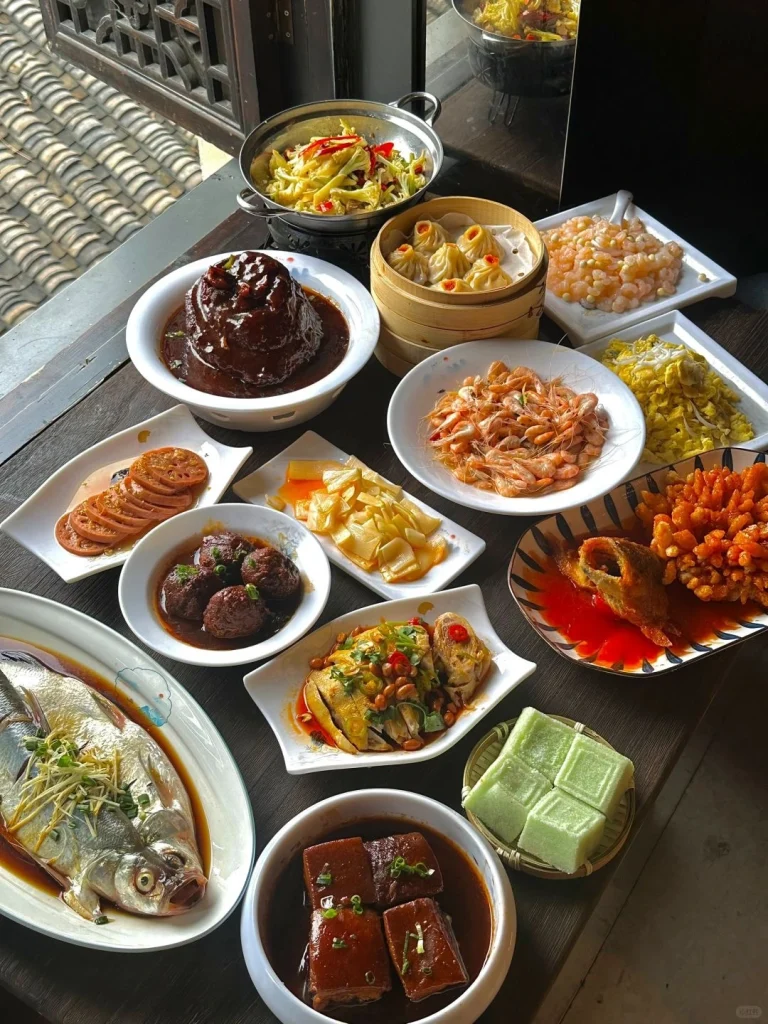
| Jiangsu | Huaiyang Cuisine (淮扬菜, Huáiyángcài) | Squirrel-shaped Mandarin Fish (松鼠鳜鱼), Lion’s Head Meatballs (狮子头) | Elegant presentation; gentle sweetness and refined techniques |
| Zhejiang | Zhejiang Cuisine (浙菜, Zhècài) | West Lake Vinegar Fish (西湖醋鱼), Dragon Well Shrimp (龙井虾仁) | Fresh and mild; emphasizes tenderness and natural sweetness |
| Fujian | Fujian Cuisine (闽菜, Mǐncài) | Buddha Jumps Over the Wall (佛跳墙), Fish Ball Soup (鱼丸汤) | Sweet, sour, and umami-rich; expert in soups and seafood |
| Hunan | Hunan Cuisine (湘菜, Xiāngcài) | Steamed Fish Head with Chopped Chili (剁椒鱼头), Stir-fried Pork with Chili (辣椒炒肉) | Fragrant, spicy, and bold; relies on fresh chilies and preserved meats |
| Anhui | Anhui Cuisine (徽菜, Huīcài) | Stinky Mandarin Fish (臭鳜鱼), Hairy Tofu (毛豆腐) | Earthy, salty, and slightly spicy; slow-cooked mountain flavors |
| Yunnan | Yunnan Cuisine (云南菜, Yúnnáncài) | Crossing-the-Bridge Rice Noodles (过桥米线), Steamed Chicken in Clay Pot (汽锅鸡) | Fresh, sour-spicy, and aromatic; rich in wild mushrooms and herbs |
| Guizhou | Guizhou Cuisine (贵州菜, Guìzhōucài) | Sour Soup Fish (酸汤鱼), Silkworm Rolls (丝娃娃) | Sour and spicy; vibrant street-style flavors |
| Shaanxi | Shaanxi Cuisine (陕西菜, Shǎnxīcài) | Roujiamo (肉夹馍), Biangbiang Noodles (biangbiang 面) | Noodle-based, hearty, tangy-spicy taste |
| Xinjiang | Xinjiang Cuisine (新疆菜, Xīnjiāngcài) | Grilled Lamb Skewers (烤羊肉串), Pilaf (手抓饭) | Bold and rich; features lamb, cumin, and wheat-based dishes |
| Tibet | Tibetan Cuisine (藏族菜, Zàngzúcài) | Butter Tea (酥油茶), Tsampa (糌粑) | High-calorie, hearty meals; ideal for cold climates |
| Ningxia | Hui Cuisine (回族菜, Huízúcài) | Hand-pulled Lamb (手抓肉), Fried Pastry (油香) | Halal traditions; mild and aromatic beef and lamb dishes |
Symbolism and Cultural Meaning in Chinese Food
In China, food is never just about satisfying hunger—it’s a language of love, family, and belief. Every dish carries a story, from a simple dumpling to a festive mooncake, reflecting centuries of traditions and emotional connections that define Chinese life.
Food as a Social Bond: Sharing Brings Connection
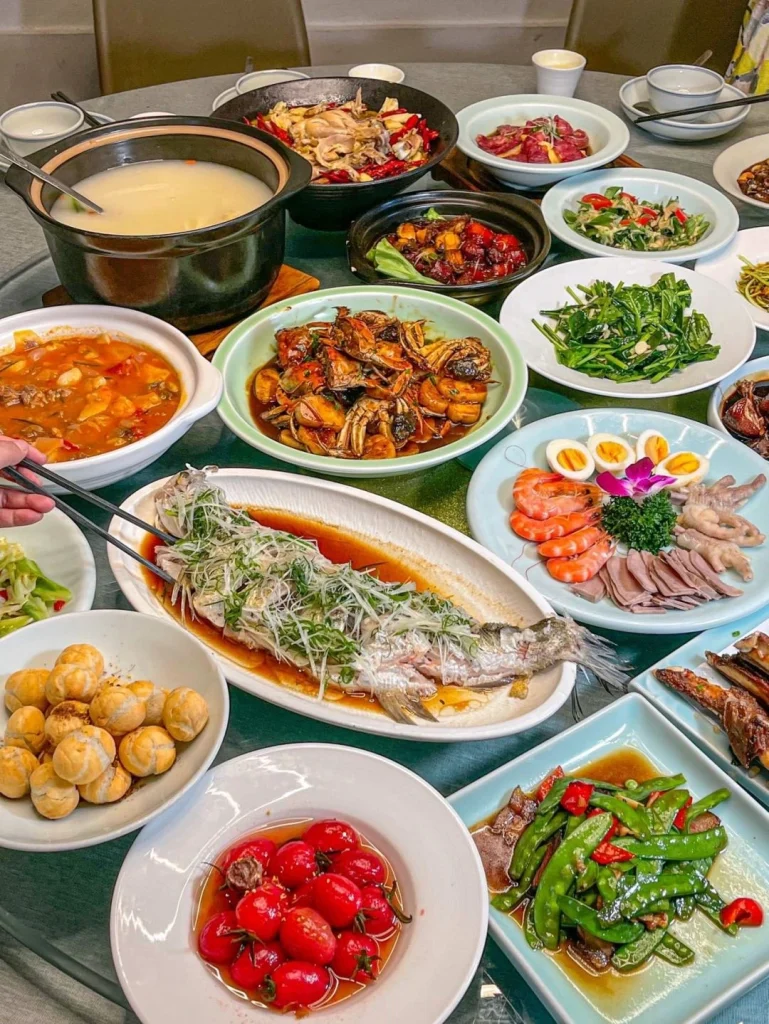
Eating together is one of the most meaningful ways Chinese people express care and build relationships.
- Family Connection: Meals are moments of reunion. During Lunar New Year, families gather for the New Year’s Eve dinner (年夜饭, nián yè fàn) featuring symbolic dishes like fish (鱼, yú) for abundance, dumplings (饺子, jiǎozi) for togetherness, and rice cake (年糕, nián gāo) for prosperity.
- Social Interaction: Inviting someone to dinner is a gesture of respect and friendship. Business banquets use food to build trust, while casual gatherings over hotpot or street barbecue express warmth and equality.
- Hospitality and Gifting: Visiting relatives or friends often involves bringing local delicacies or fruits, showing appreciation and goodwill. Sharing food symbolizes inclusion and belonging.
Symbolic Dishes and Festival Traditions
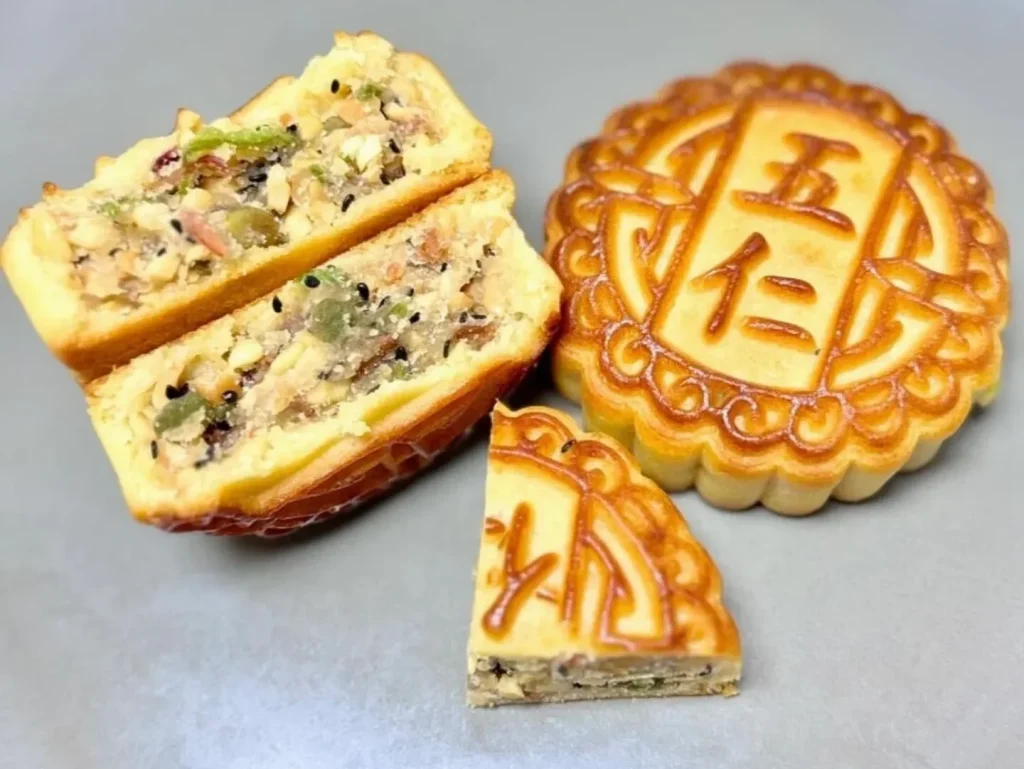
Every major Chinese festival is marked by its own symbolic food that represents hope and celebration.
- Spring Festival: Dumplings symbolize wealth; eating them at midnight welcomes good fortune.
- Dragon Boat Festival: Zongzi (粽子, zòngzi)—sticky rice wrapped in bamboo leaves—honors the poet Qu Yuan and represents remembrance and unity.
- Mid-Autumn Festival: Mooncakes (月饼, yuèbǐng) symbolize reunion and family harmony under the full moon.
- Birthdays and Longevity Feasts: Longevity noodles (长寿面, chángshòu miàn) represent long life, while longevity peaches (寿桃, shòu táo) express wishes for good health and happiness.
- Everyday Symbolism: Common foods carry positive wordplay—fish (鱼, yú) means “abundance,” tangyuan (汤圆, tāngyuán) symbolizes reunion, apple (苹果, píngguǒ) conveys peace, and peanuts and dates are blessings for fertility and prosperity.
Food in Rituals and Religion
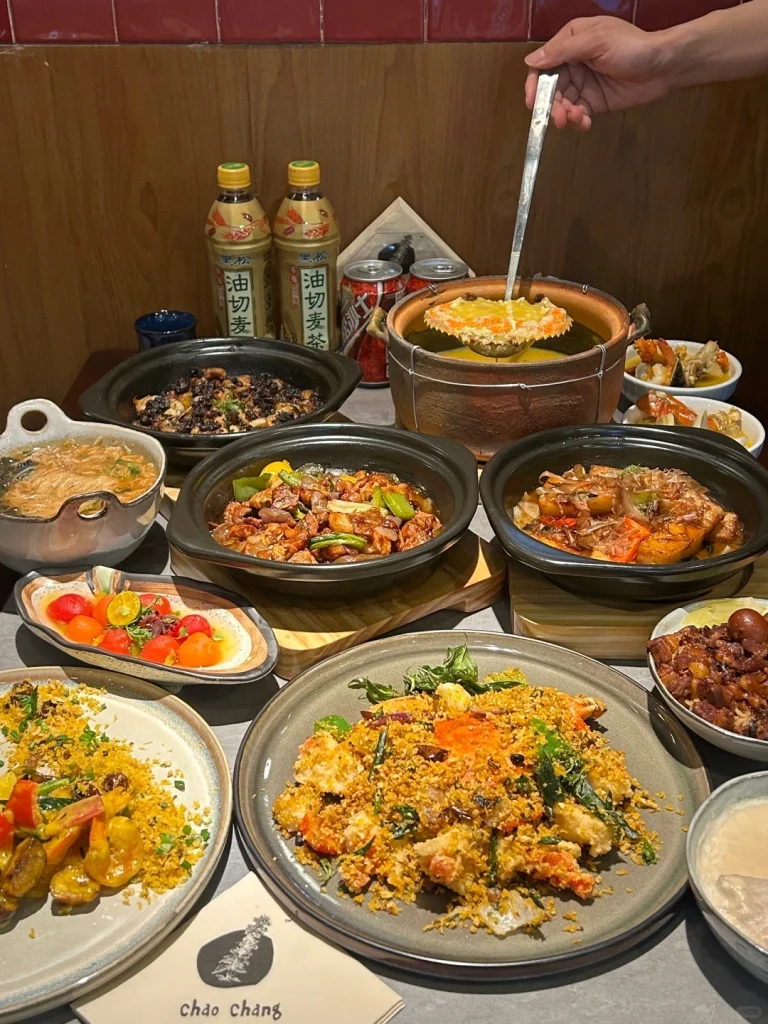
Food plays a sacred role in ceremonies, symbolizing respect, gratitude, and continuity.
- Ritual Offerings: During ancestral worship or festivals, families prepare whole chickens, fish, and fruits to honor ancestors. After prayers, the food is shared among family, believed to carry blessings.
- Weddings and Birthdays: Every dish on a banquet table is chosen for its meaning—Eight Treasure Rice (八宝饭, bā bǎo fàn) for sweetness, braised pork (红烧肉, hóng shāo ròu) for wealth, and paired dishes to symbolize “harmony in pairs.”
- Religious Practices:
- Buddhist vegetarian cuisine (素食, sùshí) avoids killing and emphasizes purity, using tofu, mushrooms, and vegetables to create meat-like dishes.
- Hui Muslim halal food (清真, qīngzhēn) prohibits pork and alcohol, focusing on clean preparation and beef or lamb-based dishes.
- Tibetan cuisine often avoids fish out of respect for local beliefs, centering instead on yak meat, barley, and butter tea to sustain life on the high plateau.
Table Manners and Cultural Values: Understanding China Through Dining
In China, the dining table is not just a place to eat—it’s a stage for respect, harmony, and human connection. Every gesture, from where you sit to how you use chopsticks, reflects centuries of tradition rooted in hierarchy, courtesy, and gratitude.
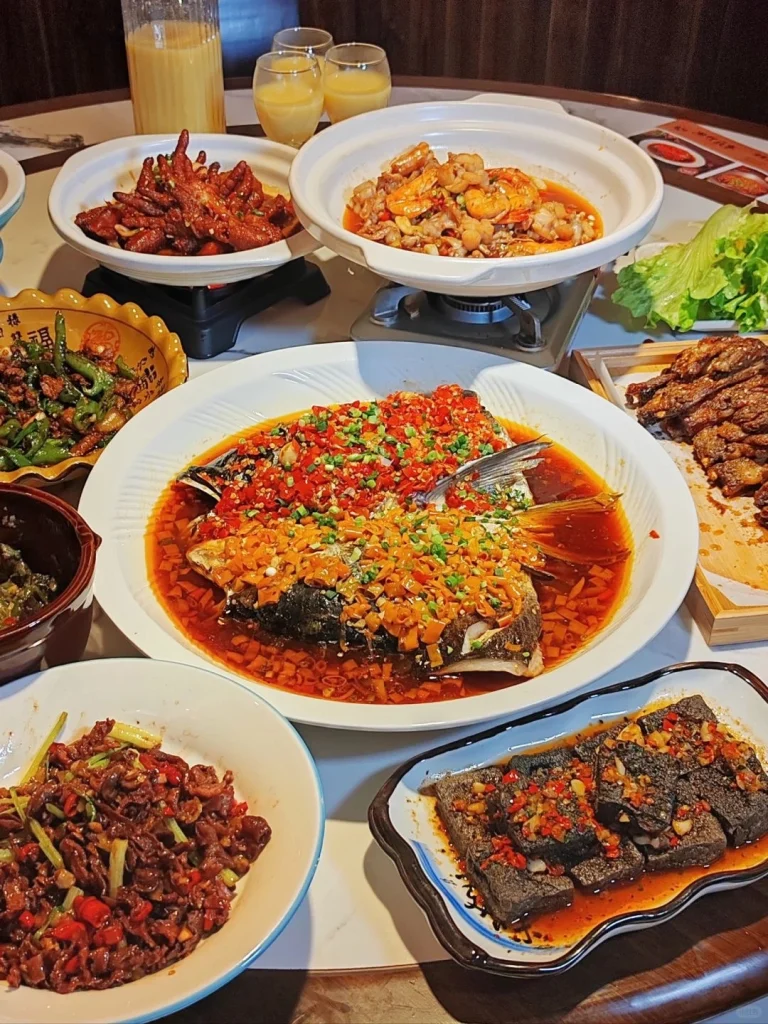
Basic Table Etiquette: Courtesy in the Details
Seating Order
The seat facing the entrance or in the center is reserved for the eldest or most honored guest. Younger guests and hosts sit to the sides. Wait to be seated rather than choosing a place yourself—it’s polite to ask, “Is this seat okay for me?”
Using Chopsticks
Avoid actions considered disrespectful. Never stick chopsticks upright in rice (it resembles funeral offerings), tap bowls, or point at people. Don’t stir through shared dishes or cross chopsticks on the table—keep them parallel on the chopstick rest when not in use.
Dining Sequence
Let elders or guests start first. Take modest portions and avoid wasting food; finishing your plate shows appreciation. The “Clean Plate Campaign” (光盘行动, guāngpán xíngdòng) encourages not wasting food—if full, politely say, “The food was delicious, I’m satisfied already.”
Hosting and Ordering: Hospitality as an Art
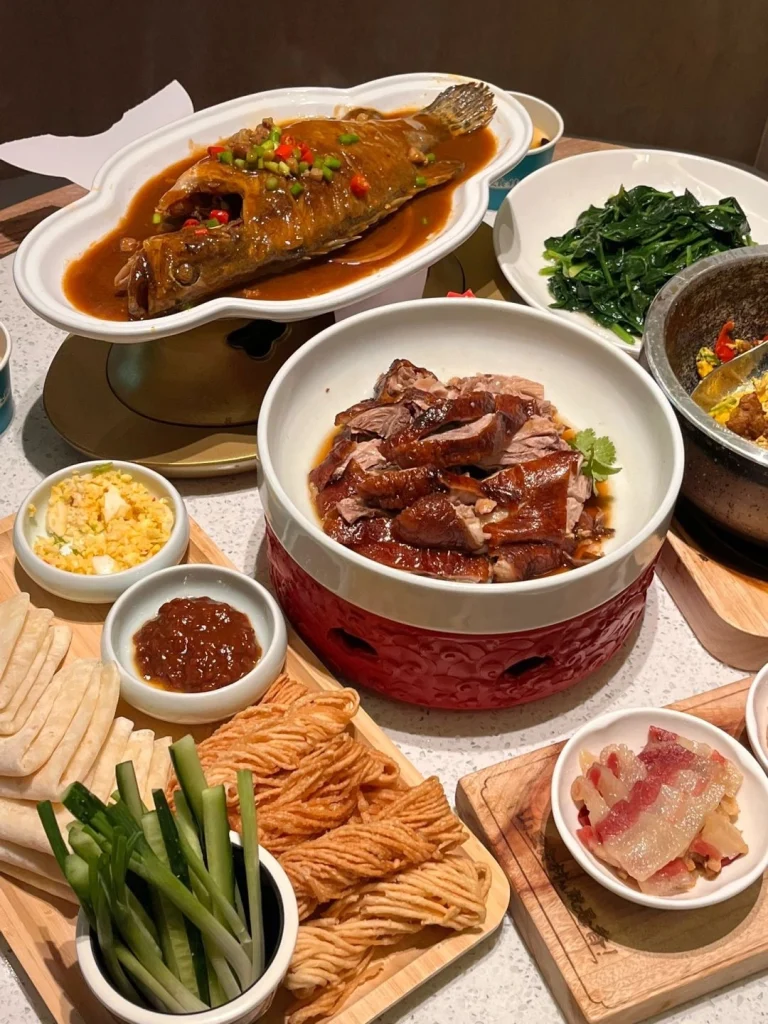
In Chinese culture, hosting a meal is an act of care—making guests feel comfortable is the host’s priority.
- Ordering Dishes: Hosts balance flavors and types—cold and hot, meat and vegetable, soup and staple. Even numbers of dishes (like 8 or 10) are considered auspicious. Before ordering, it’s common to ask guests about preferences or dietary restrictions.
- Sharing Dishes: In formal settings, dishes may be portioned for each person. In family meals, hosts may serve guests directly to show thoughtfulness—but polite refusal is accepted. Saying “Thank you, it looks wonderful” is enough.
- Toasting: Toasting shows respect, not pressure. Hold your glass slightly lower than the elder’s when clinking glasses. If you don’t drink alcohol, it’s fine to toast with tea or juice, explaining “I’ll toast you with tea instead.”
Respectful Conduct and Taboos
Good manners extend beyond eating itself.
- Cultural Sensitivity: China’s diversity means dietary restrictions vary. Hui and Uyghur Muslims do not eat pork or drink alcohol; Buddhists often follow vegetarian diets; Tibetans may avoid fish. Always respect these customs when dining with locals.
- Behavioral Restraint: Speak gently at the table, avoid blowing your nose or spitting, and don’t openly criticize the food. If something isn’t to your taste, say, “It’s not quite my usual flavor, but it’s beautifully prepared.”
- Avoid Waste: Leaving excessive leftovers is impolite. If food remains, requesting a takeaway box (打包, dǎbāo) is normal and shows appreciation rather than stinginess.
Traveler’s Tips: Respect Over Perfection
You don’t need to memorize every rule—what matters most is sincerity.
- Learn one or two core customs, like waiting for elders to start and not sticking chopsticks upright in rice.
- When unsure, simply ask your host, “How should I do this?”—locals will happily explain.
- Accept gestures of hospitality with gratitude; a small taste or toast is enough.
- Most importantly, relax and enjoy the meal. The goal of Chinese dining etiquette is to make everyone feel respected, comfortable, and connected.
In essence, Chinese table manners are a form of cultural communication—showing humility, gratitude, and harmony. Once you understand that every shared dish and polite gesture carries meaning, you’ll see that dining in China isn’t just about food—it’s about relationships, respect, and warmth.
Modern Trends and Global Influence: Tradition Meets Innovation
Chinese food culture continues to evolve, balancing heritage with innovation. As modern lifestyles, technology, and global exchange reshape eating habits, China’s culinary tradition remains alive—adapting without losing its soul.
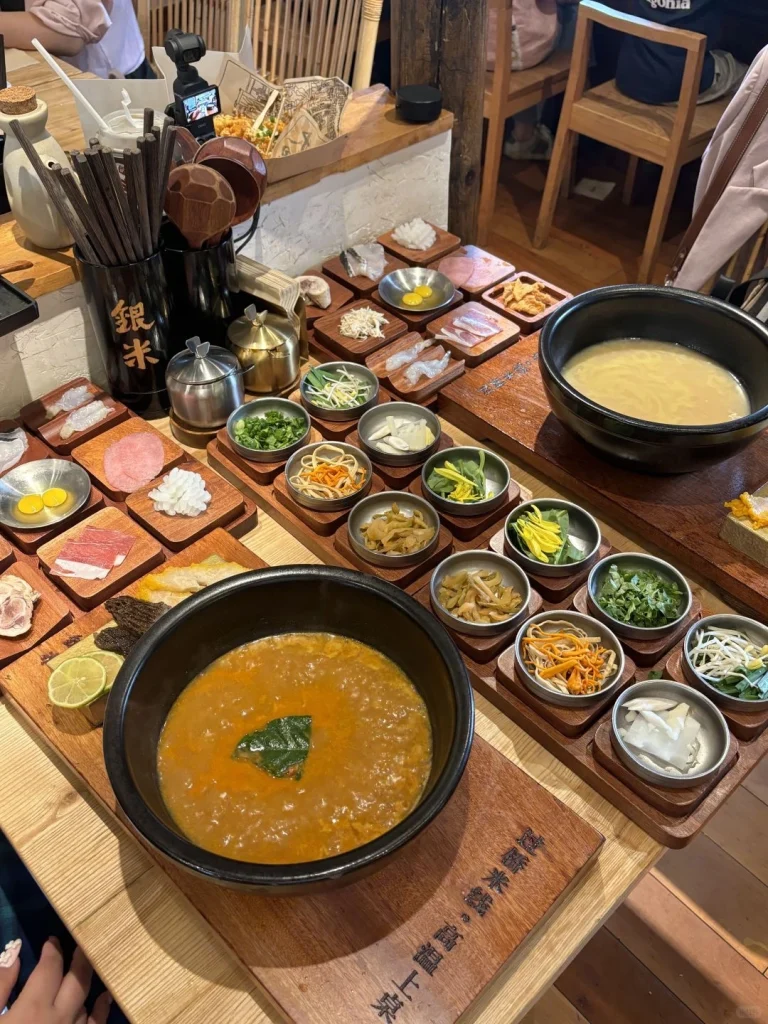
Domestic Trends: A Contemporary Expression of Tradition
1. Health and Wellness: From “Eating Well” to “Eating Right”
Modern Chinese consumers are embracing a more mindful diet that aligns with traditional ideas of food as medicine.
- Low-fat, low-sugar diets: Steamed instead of fried dishes, reduced-salt menus, and organic ingredients are increasingly popular. Young people favor light meals and grain-based porridges over sugary milk teas and barbecues.
- Rise of vegetarian and functional foods: Plant-based restaurants have gone mainstream, and “functional” snacks—like red date porridge, yam cakes, or mung bean soup—blend health and heritage.
- Clean labels and origin-focused sourcing: “Zero additive” foods and origin-protected ingredients (like Wuchang rice or Yunnan mushrooms) reflect growing trust in natural purity and regional authenticity.
2. Innovation and Fusion: A Younger Voice for Old Flavors
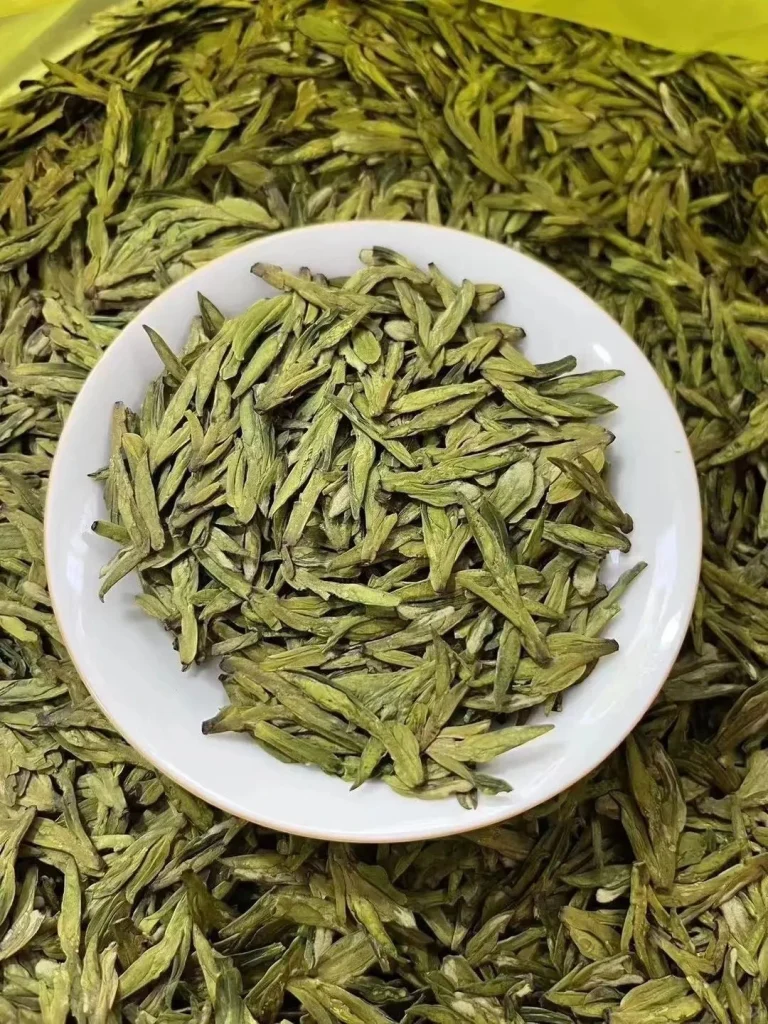
A new generation is reinventing tradition through creativity and cross-cultural exchange.
- Modern twists on classics: Tea shops mix Longjing (龙井, lóngjǐng) or Pu’er (普洱, pǔ’ěr) with milk and fruit, while dumpling shops offer cheese or crayfish fillings. Even century-old restaurants are experimenting with presentation and storytelling.
- East-meets-West dishes: “General Tso’s Chicken” may have started abroad, but fusion ideas now return home—like Sichuan-style pizza, Kung Pao spaghetti, or Cantonese dim sum with pastry crusts.
- Social media-driven trends: Street foods such as stinky tofu (臭豆腐, chòu dòufu) and snail noodles (螺蛳粉, luósīfěn) have become online sensations. “Guochao” (national chic) branding integrates traditional symbols like palace art into packaging, turning dining into cultural pride.
3. Convenience and Urban Adaptation
As urban life accelerates, efficiency defines eating habits—but without sacrificing taste.
- Delivery and ready-to-eat meals: Platforms deliver regional specialties nationwide within minutes, while pre-made dishes like Buddha Jumps Over the Wall (佛跳墙, fó tiào qiáng) offer gourmet convenience.
- Upgraded fast food: Steamed buns, dumplings, and noodles are now standardized, fresh, and premium, proving that speed and quality can coexist with tradition.
Chinese Cuisine Abroad: From Adaptation to Cultural Export
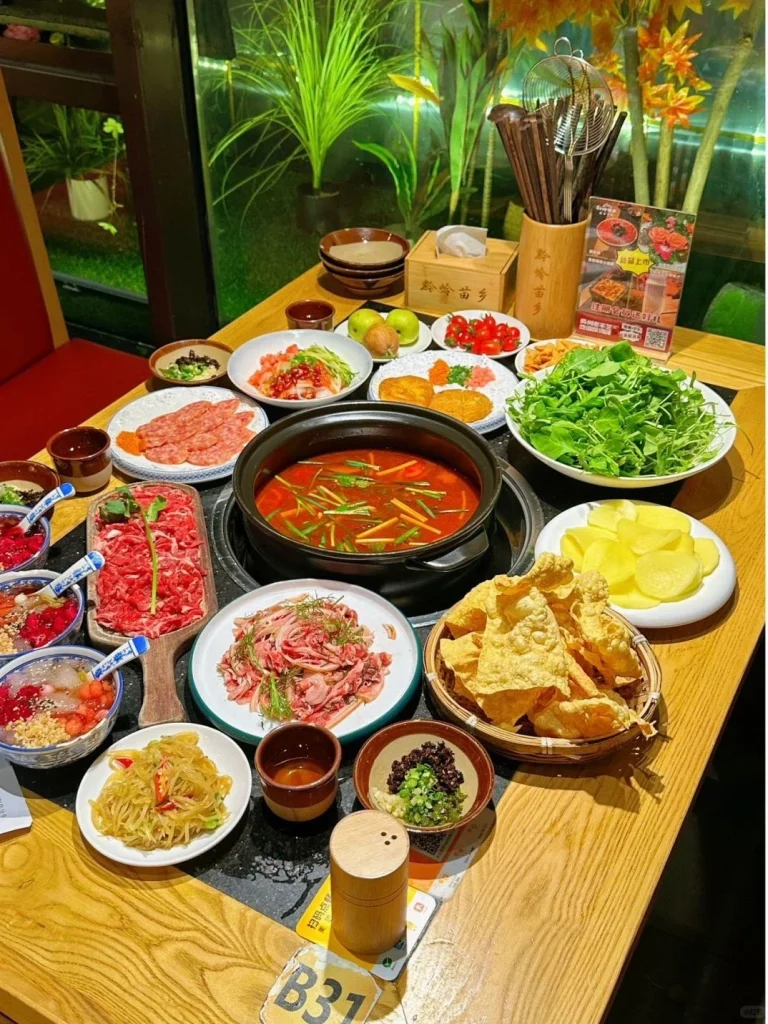
1. Overseas Restaurants: Balancing Authenticity and Adaptation
Early Chinese restaurants abroad catered to local tastes with sweet-sour flavors and inventions like fortune cookies or General Tso’s Chicken. Today, authenticity is back in focus—London’s Sichuan bistros, New York’s dim sum teahouses, and Paris’s Huaiyang restaurants recreate regional menus and even traditional interiors. They are not just serving food—they are exporting culture.
2. Ingredients and Seasonings: Chinese Flavors in Global Kitchens
China’s culinary influence now extends through ingredients themselves. Doubanjiang (豆瓣酱), Lao Gan Ma chili sauce (老干妈, lǎo gān mā), Sichuan peppercorns, and star anise are staples in international supermarkets. Supply chains now transport or even cultivate Chinese ingredients abroad, ensuring that global kitchens can capture authentic tastes.
3. Culinary Exchange and Cultural Promotion
Chinese embassies and organizations host food festivals and exhibitions worldwide, showcasing regional dishes and culinary art forms like tea ceremonies and knife skills. Chefs exchange training across continents, creating two-way cultural bridges that deepen global understanding of Chinese gastronomy.
Travel and Media: Redefining China’s Culinary Image
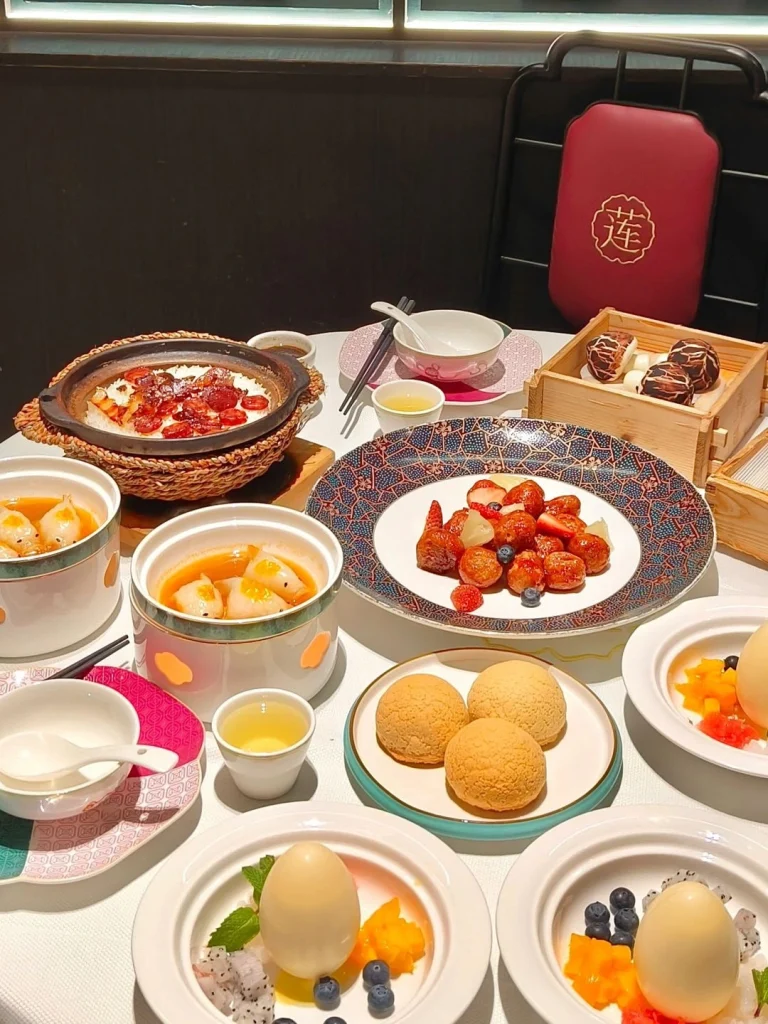
1. Media Power: From “Cheap Takeout” to “Cultural Heritage”
Global documentaries like A Bite of China introduced audiences to the artistry and humanity behind every dish—from Lunar New Year feasts to seasonal ingredients. Food bloggers and travel influencers now spotlight authentic experiences, from street stalls to haute cuisine, inviting travelers to explore China “through their taste buds.”
2. Culinary Tourism: Tasting the Map of China
Food-driven travel is booming. Tourists embark on hotpot tours in Sichuan, dim sum breakfasts in Guangzhou, noodle pilgrimages in Xi’an, or mushroom hunting trips in Yunnan. Cooking classes and market tours let visitors knead dumplings or shop local produce, turning cuisine into hands-on cultural immersion.
A Living Heritage for a Global Era
Chinese food culture thrives by balancing preservation and reinvention. It absorbs new influences while staying anchored in its values—harmony, health, and togetherness. Whether in a Shanghai teahouse, a London Sichuan bistro, or a Beijing street stall, each dish tells a story that transcends borders, inviting the world to share not just a meal, but a philosophy of life.
Practical Travel Guide: How to Enjoy Chinese Food with Ease
For many foreign travelers, Chinese cuisine is both exciting and overwhelming. Menus may seem confusing, flavors unpredictable—but with a few practical tips, you can confidently explore China’s rich culinary world, order like a local, and enjoy every bite, no matter your dietary preferences.
Must-Try Dishes and Recommended Places
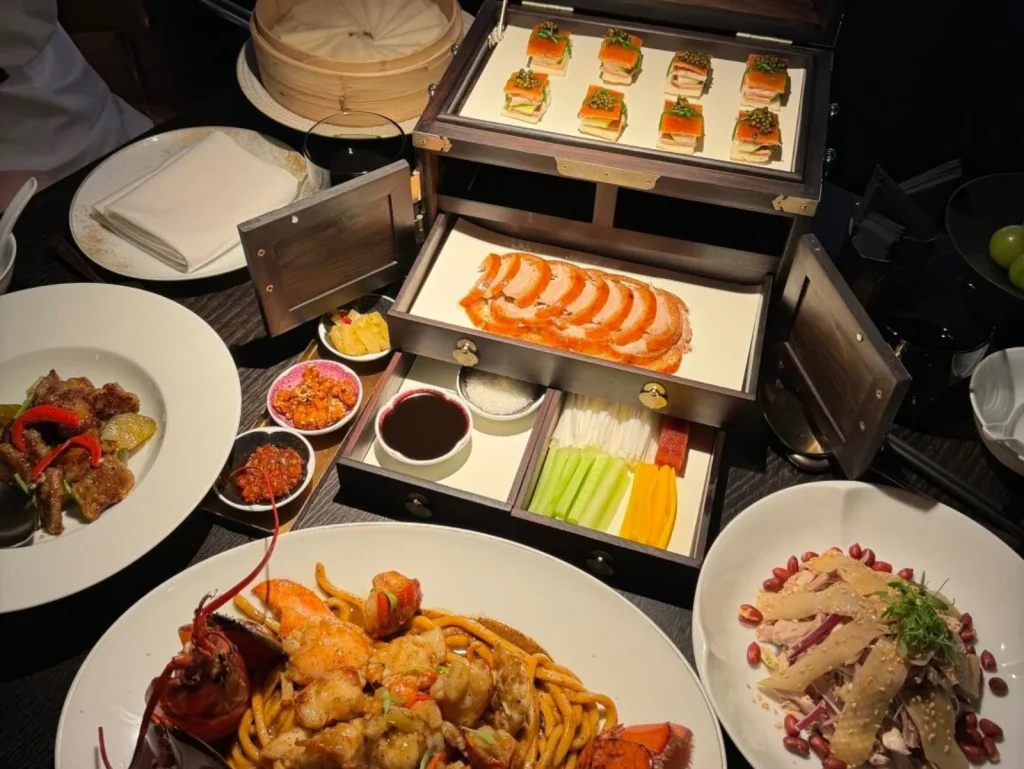
1. National Favorites You Can’t Go Wrong With
These classic dishes are popular across the country and easy to find anywhere:
- Peking Duck (北京烤鸭, Běijīng kǎoyā): Crispy skin, tender meat, and sweet sauce wrapped in pancakes. Best enjoyed at historic restaurants in Beijing.
- Braised Pork Belly (红烧肉, hóngshāo ròu): A comforting homestyle dish with melt-in-your-mouth pork in a sweet-savory glaze.
- Kung Pao Chicken (宫保鸡丁, gōngbǎo jīdīng): Stir-fried chicken cubes with peanuts and mild chili—rich in flavor, perfect for newcomers to Sichuan cuisine.
- Mapo Tofu (麻婆豆腐, mápó dòufu): Silky tofu in spicy, numbing sauce; request “less spicy” if needed.
- Soup Dumplings (小笼包, xiǎolóngbāo): Bite-sized buns filled with juicy broth—try them in Shanghai or Hangzhou.
2. Regional Highlights Worth Traveling For
Each region has its own culinary gems that reflect local landscapes and traditions:
- Lanzhou Hand-Pulled Noodles (兰州拉面, Lánzhōu lāmiàn): Fresh noodles in clear beef broth with chili oil and radish—quick, affordable, and authentic.
- Crossing-the-Bridge Rice Noodles (过桥米线, guòqiáo mǐxiàn): Yunnan’s famous noodle soup where raw ingredients cook in hot broth right before you eat.
- Sour Soup Fish (酸汤鱼, suāntāng yú): Guizhou’s tangy, chili-infused fish stew—refreshing and addictive.
- Xinjiang Pilaf (手抓饭, shǒu zhuā fàn): Fragrant rice with lamb, carrots, and onions; eat with your hands for a true local experience.
- Taiwanese Braised Pork Rice (卤肉饭, lǔròu fàn): A hearty bowl of savory pork sauce over rice—simple, comforting, and found in night markets.
Culinary Travel Routes by Flavor
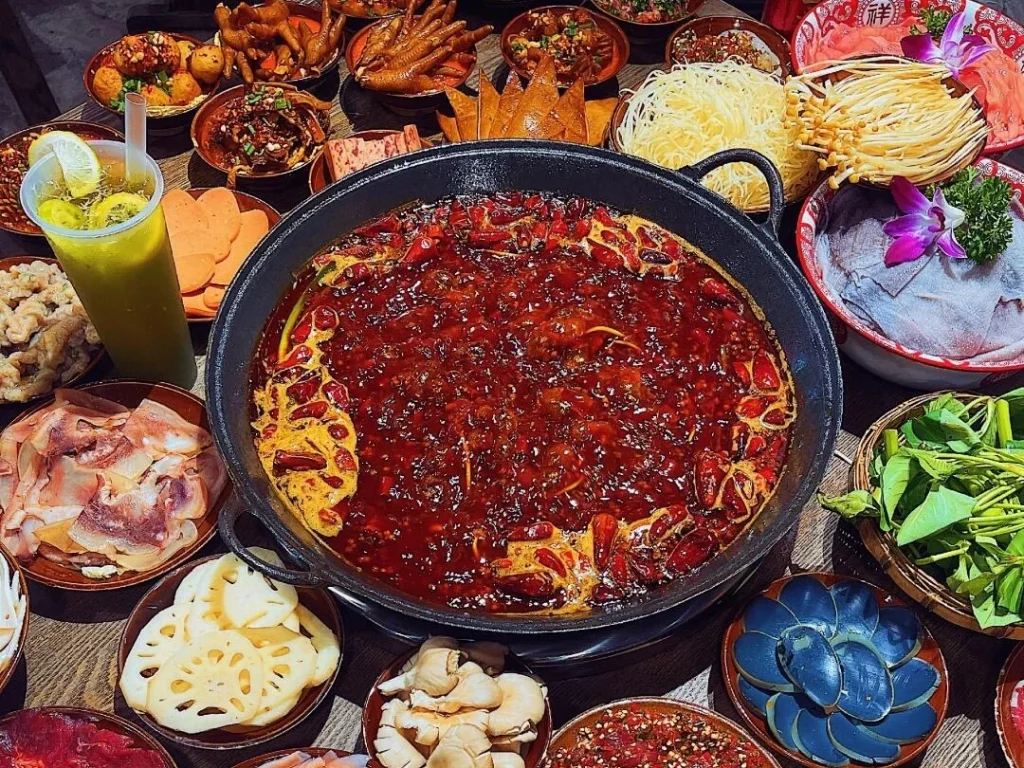
1. Sichuan–Chongqing: Paradise for Spice Lovers
Try spicy hotpot, skewers, and street snacks in Chengdu and Chongqing. Experience “fly restaurants” — small local diners full of authentic charm.
2. Guangdong–Fujian: Fresh and Light Coastal Cuisine
Enjoy Cantonese dim sum in Guangzhou and seafood at beachside stalls in Xiamen. Try shrimp dumplings, roast meats, and boat porridge for the true “morning tea” culture.
3. Northern China: Bold Flavors and Hearty Noodles
In Xi’an, taste roujiamo (Chinese burgers) and biangbiang noodles; in Beijing, enjoy zhajiangmian (noodles with soybean paste) and roast duck in hutong courtyards.
4. Jiangnan: Elegant and Refined Flavors
In Suzhou and Hangzhou, experience delicate dishes like Squirrel-shaped Mandarin Fish (松鼠鳜鱼) and Dragon Well Shrimp (龙井虾仁), paired with serene garden views.
How to Read a Chinese Menu and Order Like a Local
Menu Structure:
Chinese menus often combine cooking method + ingredient + flavor, e.g. “Stir-fried Beef with Pepper.”
- Cooking terms: chao (炒, stir-fried), zheng (蒸, steamed), dun (炖, stewed), zha (炸, fried)
- Flavor words: malà (麻辣, spicy & numbing), xiāng (香, aromatic), suān tián (酸甜, sweet & sour), qīngdàn (清淡, light)
- Use a translation app to scan menus or ask the server directly — most will gladly help.
Ordering Formula:
A simple local rule: number of people + 1 = number of dishes.
Include a mix of meat and vegetables, cold and hot dishes, plus soup or staple. Example for 3 people: 1 cold dish + 2 hot dishes + 1 soup + rice or noodles.
Useful Phrases:
- I don’t eat spicy food. (我不吃辣。)
- I’m a vegetarian. (我是素食者。)
- Please recommend your signature dishes. (请推荐特色菜。)
- Can this dish be made mild/not spicy? (这道菜能做微辣 / 不辣吗?)
- What are the main ingredients? (这道菜的主要食材是什么?)
- Thank you, it’s delicious. (谢谢,味道很好。)
Tips for Dietary Restrictions
Vegetarians:
Ask for “全素” (vegan, no meat, eggs, or dairy). Visit vegetarian restaurants or temple areas like Hangzhou’s Lingyin Temple or Chengdu’s Wenshu Monastery. Choose clear dishes like stir-fried vegetables or tofu soup.
Halal Travelers:
Look for restaurants marked “清真” (halal). Xinjiang or Ningxia eateries serve excellent beef, lamb, and vegetable dishes. Avoid pork-based items and alcohol.
Allergies:
Write your allergy clearly in Chinese (e.g., “我对花生过敏” — “I’m allergic to peanuts”) and show it to the staff. Choose simple dishes like steamed fish, plain rice, or stir-fried greens to reduce risk.